The Raflesia Arnoldy: A Modern Script & Serif Font Duo for Crafters
If you create handmade products—whether it’s candle labels, greeting cards, wedding invitations, or boutique packaging—you know that the right typeface can make or break the finished piece. The Raflesia Arnoldy is the kind of duo that immediately catches your eye because it pairs a graceful modern script with a refined serif. As a maker who sells on Etsy and designs printables, I have tested dozens of font combinations, and this one stands out for its ability to add a luxurious yet approachable feel to almost any project.
In this article, I want to share how The Raflesia Arnoldy can elevate your craft shop, help you maintain brand consistency, and save you time when pairing fonts. I’ll also cover practical tips for using it on physical products, from cutting machine settings to licensing for commercial sales.
What Makes The Raflesia Arnoldy Special?
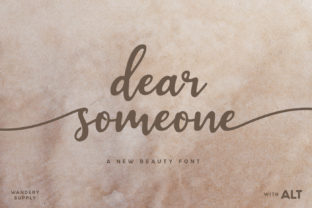
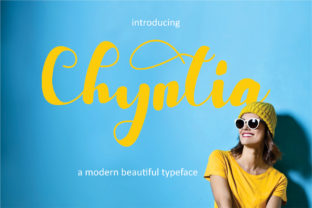
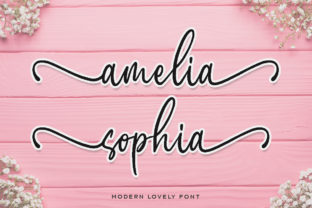
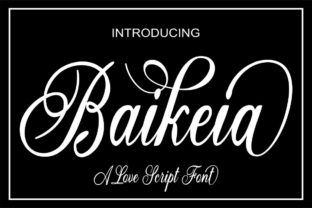
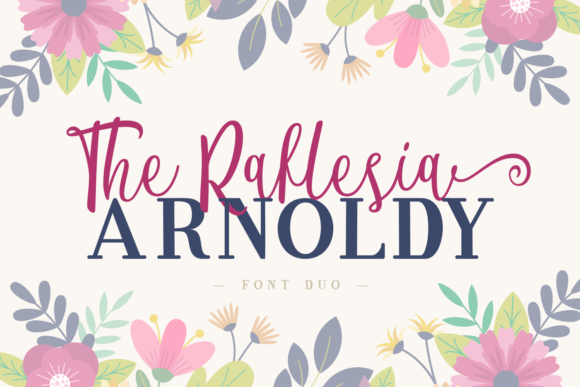
The Raflesia Arnoldy is not a single font but a duo: a fluid, handwritten-style script and a clean, elegant serif. The script has natural variations in stroke weight, with subtle swashes and loops that feel modern rather than fussy. The serif is a classic beauty with sharp serifs and balanced proportions that keep body text readable. Together they create a contrast that feels both upscale and approachable.
For crafters, this combination means you can use the script for headlines, names, or short decorative phrases, and then rely on the serif for addresses, product details, or longer descriptions. The duo was clearly designed with the idea of effortless pairing in mind. Unlike many free font pairs that clash in weight or mood, these two complement each other seamlessly.
Practical Uses for Your Handmade Products and Printables
I have used The Raflesia Arnoldy in several real product lines, and it performs beautifully across different formats. Here are the ways it can enhance your shop:
- Candle and Soap Labels: The script gives a personal, artisanal touch for product names like “Lavender Dreams” or “Handmade Honey.” Pair it with the serif for ingredients or scent notes. The contrast feels clean and premium.
- Invitations and Stationery: Wedding invitation suites, birthday party invites, or save-the-dates look instantly luxe when the couple’s names are set in the script and the details are set in the serif. It sets a romantic yet modern tone.
- Wall Art and Signs: Whether you sell digital downloads or physical prints, The Raflesia Arnoldy works for quotes, family names, or farmhouse-style signs. The script’s swashes add an elegant flourish without overwhelming the design.
- Tote Bags, Mugs, and Apparel: For heat transfer or screen printing, the script lettering remains legible even at small sizes. I recommend using it for short phrases (3–6 words) to maintain clarity.
- Product Packaging and Tags: Boutique tags for clothing or accessories feel polished with the serif used for the brand name and the script for a short message or care instructions.
- Planner Pages and Digital Templates: The serif is ideal for section headings and day labels, while the script can be used for decorative titles or weekly headers. It keeps planners looking organized and pretty.
The Raflesia Arnoldy also excels for seasonal crafts—think Christmas gift tags, Valentine’s cards, or Easter printable sets. The script adds warmth to holiday wording, and the serif grounds the design so it doesn’t feel too flowery.
How This Font Duo Affects Product Presentation and Brand Consistency
When you use a font like The Raflesia Arnoldy across your entire product line, it directly impacts how customers perceive your brand. The combination of a modern script and a classic serif signals that you care about quality and detail. Many handmade sellers struggle with brand consistency because they use different fonts for different products. With this duo, you have a built-in pairing that unifies everything from labels to social media graphics.
For example, if you run a small soap business, using the script for your logo and the serif for ingredient lists on every label creates immediate visual recognition. Customers will associate that consistent typography with your brand’s promise of natural, handmade care. The same applies to printable wedding stationery sellers: the font pair becomes a signature look that clients remember and recommend.
Emotionally, the script evokes beauty and personal touch, while the serif brings trustworthiness and readability. That balance is exactly what modern consumers look for in handmade goods—artisan charm without sacrificing professionalism.
Readability and Cutting Machine Tips
One concern with script fonts is readability at small sizes. The Raflesia Arnoldy script is well-spaced and has moderate letterforms, which makes it easier to read than tightly packed scripts. For product labels under 1 inch tall, I recommend using the script only for very short phrases or using the serif for body text. The serif stays crisp even at 8–10 pt, which is excellent for listing ingredients or care instructions.
If you use cutting machines like Cricut or Silhouette for vinyl or stencils, keep these tips in mind:
- Weld overlapping script letters in your design software before cutting, especially for swashes that cross over the baseline.
- Test cut the script at your intended size on cheap paper to confirm details like thin strokes cut cleanly. The font’s variable stroke weights may require a slightly slower cut speed.
- For small sticker designs, the serif is your friend for addresses, dates, or any text below 12 pt. The script excels for names or titles.
- In mockup previews, enlarge the script swashes slightly if they appear too delicate next to the heavier serif. This balances the visual weight.
Overall, The Raflesia Arnoldy works beautifully in print and cut projects when you respect its strengths: the script for display, the serif for readability.
Font Pairing Ideas for Consistent Branding
Already have a favorite script or sans serif? The Raflesia Arnoldy duo itself provides a full pairing, but you can also mix it with other typefaces for variety. Here are a few ideas that keep the look cohesive:
- Pair The Raflesia Arnoldy script with a simple sans serif (like Montserrat Light or Lato) for a modern, minimalist vibe. Use the script for the headline and the sans serif for product descriptions. This works well for packaging design or social media graphics.
- Use the serif from The Raflesia Arnoldy with a hand-lettered script from the same duo—that’s the no-brainer pairing. But you can also combine it with a bold display font (like a slab serif) if you want a more rustic farmhouse feel. The serif will anchor the design.
- For logo design, let the script act as your brand signature, and the serif for taglines or submark text. This gives you a professional logo that feels custom without hiring a designer.
Because The Raflesia Arnoldy includes both a script and a serif, it simplifies font matching. You don’t have to hunt for a second font that “looks good” together—it’s already done. This saves time when creating multiple product variations.
Understanding the Font Files and Licensing for Commercial Use
Before you start designing, check what’s included in your purchase. The Raflesia Arnoldy typically comes with the script font file (often .otf and .ttf), the serif font file, and possibly extras like alternate characters, ligatures, or swashes. These extras let you customize letter connections and add unique flourishes. For example, you might use a swashy version of a capital letter for a milk label or a wedding sign.
Also verify multilingual support if you sell printables in languages beyond English. Many premium fonts include extended Latin character sets, which is helpful for French, Spanish, or German product text.
Now, here’s the most important part for anyone selling physical products: commercial licensing. The Raflesia Arnoldy is a commercial font, meaning you can use it for products you sell—labels, mugs, T-shirts, printables, SVG designs, and more. However, the license may restrict certain uses, such as embedding the font in digital templates you resell (like editable Canva templates) or sharing the font file directly with clients. Always read the End User License Agreement (EULA) from the font seller. If you create custom client work (like logo designs or wedding invitations), you typically need an extended license if you transfer the font file to the client. For most crafters selling physical goods, a standard commercial license covers your needs. But if you plan to offer editable digital downloads, purchase a license that allows embedding or sublicensing.
By respecting the licensing terms, you keep your shop in good standing and support the font designers who create tools like The Raflesia Arnoldy.
Bringing It All Together for Your Small Shop
The Raflesia Arnoldy is more than just a pretty pair of fonts. It’s a design asset that can elevate your craft business through cohesive branding, efficient production, and visual appeal that customers notice. Whether you’re designing candle labels, wedding invitations, or tote bags, this duo gives you the flexibility to create both decorative display text and readable body copy without needing multiple font families.
Take advantage of the script’s modern flow and the serif’s trustworthy structure. Test it on your next product line—I think you’ll find that it makes your work feel more polished and luxurious, just as described. And as always, keep your audience’s needs in mind: readability, consistency, and a touch of beauty go a long way in the handmade marketplace.